

What Short Attention Spans Are Doing to Fiction
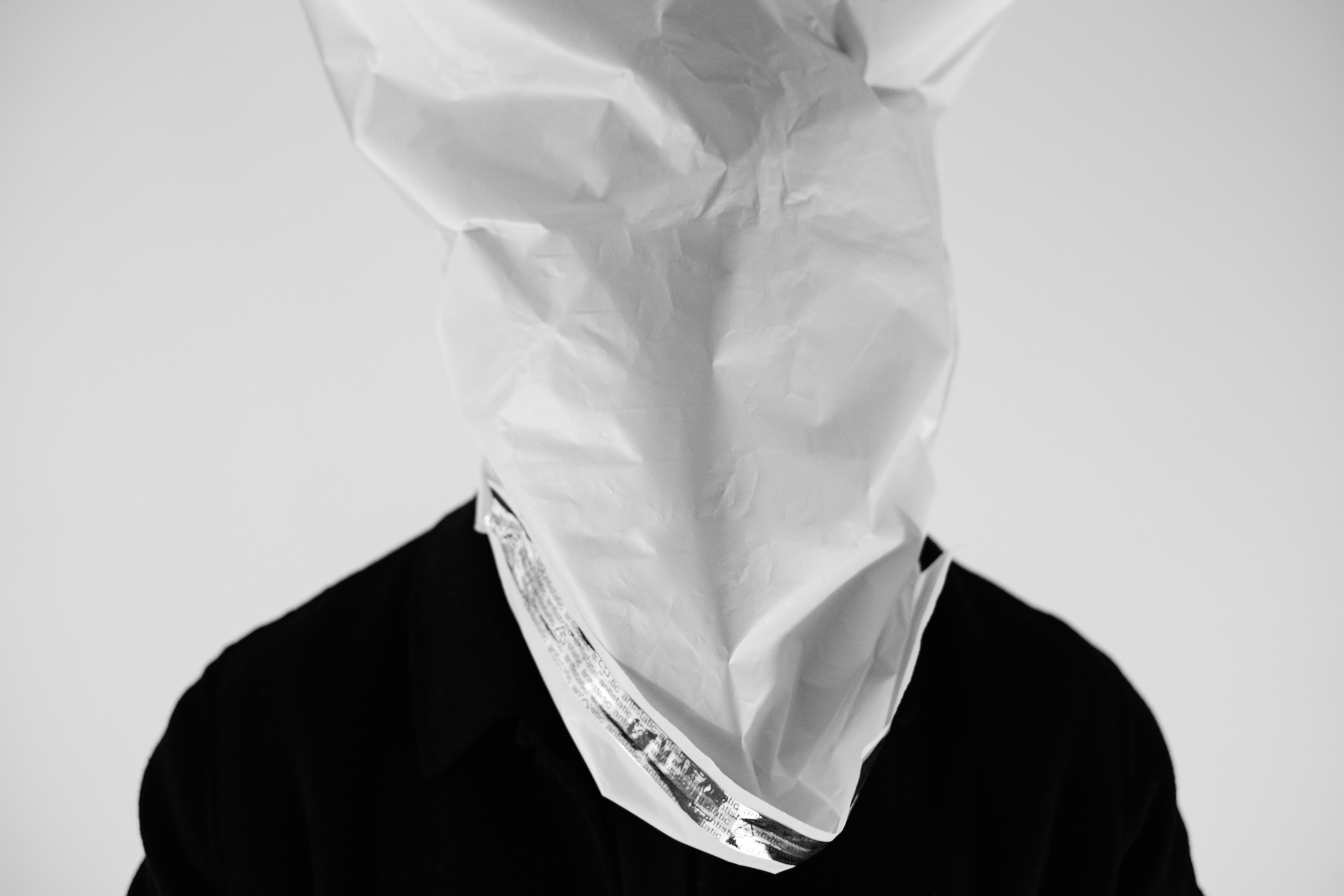

Odds are, you won’t finish this article.
That isn’t an insult. You probably opened this intending to read the whole thing. Then your phone buzzes, another tab looks more interesting, or you remember, with sudden urgency, that the dog food is running low. And the toothpaste. And the milk. And while you’re out, you should get to the Bulk Barn and get more candy. Five minutes later, you’re reading about an actor from a television programme you never watched and the wrestler he married in 2019. Rabbit hole > doom scroll > Ed Sheeren / Macklemore controversy > back to dog food. This article stays open in a tab for a week. Eventually the browser crashes, or you declare tab bankruptcy and close the lot.
That’s the environment fiction is competing in now. Books have never had our undivided attention. A century ago there were newspapers and radio programmes, but also jobs, children, laundry, neighbours, and perfectly good windows to stare through. People have always found reasons not to read. Distraction didn’t arrive with the smartphone, it’s simply become much easier to reach.
Most of us carry a small rectangle that offers conversation, political tweets, shopping, ads for things to shop for, news (both the good and the useless), games, music, recipes to pin, work to groan at, pornography to… never mind, and endless trend videos teaching you dance moves or dangerous dance-beside-your-moving-car stunts. It’s all immediate. A book, meanwhile, may want thirty pages to explain the political history of a fictional kingdom before anyone gets stabbed. The dance moves are easy to master and will bump up your likes. Good luck to the kingdom.
Are Our Attention Spans Actually Shrinking?
We talk about attention as if we left it behind somewhere around 2012. Nobody can concentrate anymore, apparently. Our attention spans are shorter than a goldfish’s—though I’ve never understood who tested the goldfish, or what they gave it to read. Hopefully it was A Goblin’s Mind, or something else from my repertoire. Social media has supposedly melted our brains into grey paste, able to absorb information only when someone points at captions over a bit of music.
It’s a satisfying explanation because it gives us one obvious culprit, but I don’t quite buy it. People still play games for six hours at a stretch. They’ll listen to podcasts longer than most films or watch an entire television season over a weekend and turn up on Monday talking about the characters as though they all went to university together. They also read enormous fantasy novels, happily learning fourteen family names, three dead languages, the lineage of a disputed crown, and why the northern province refuses to export enchanted onions. So the capacity is still there. What’s changed, I think, is the speed at which we decide whether something is worth using it on.
There’s always another option within reach. If a story confuses us, repeats itself, wanders, or keeps insisting the good part is coming later, we can leave. Not in twenty pages… right now!
This doesn’t mean every novel needs a murder in the opening paragraph. It does mean that “be patient” is a tougher sell when the reader’s already heard it from six other books, twelve television series, and an email marked urgent by someone who clearly doesn’t know what urgent means. “Eventually” has competition now.

Books Are Getting to the Point Sooner
Many modern novels begin at the point where ordinary life starts to go wrong. By page one, the protagonist is running, grieving, stealing, investigating, waking up somewhere alarming, or wondering why their pillow has teeth. Writers hear the same advice again and again: introduce conflict early, establish the central question, cut whatever delays the story. Heck, half my stories start that way. Hook ‘em early or don’t hook ‘em at all.
Often, that advice is sound. After all, slow doesn’t automatically mean thoughtful. A novel doesn’t become literary because its protagonist spends sixty pages over breakfast, remembering a childhood that still has nothing to do with the story. I’ve reached chapter four in some books and felt as though every character was waiting for the author to show up.
Still, speed and momentum aren’t the same thing. A quiet scene can move. Someone makes a small choice they’ll regret. A wife notices that her husband has stopped using her name. A child slips something under the floorboards. Nobody is being chased, yet the story has shifted because something changed. And maybe that’s enough… for now. Problems start when a novel seems afraid to let the reader settle. Every chapter ends with a scream, every conversation hides a revelation, and somebody is always bursting through a door with news. For a while, it’s exciting. Then it starts to feel like living with a smoke alarm that goes off whenever you make toast. Even in my writing, I can’t end a chapter without a cliffhanger or a revelation that’ll make the reader want to keep going. I get the formula, if intrinsically or inadvertently, from watching episodic TV.
The Short Chapter Has Won
Short chapters are everywhere, especially in thrillers, fantasy, romance, and any book hoping you’ll say, “Fine. One more.” And it works (for most). Nine pages feels harmless: one chapter before bed. Forty pages looks as though it wants a signature and two forms of identification[1].
A short chapter also gives us the pleasant sense of having finished something. We reach the end, collect a tiny reward, and decide whether to keep going. Streaming services know this trick. The next episode begins before you’ve found the remote or remembered that you have a job in the morning. None of that makes short chapters bad. Some scenes improve when the writer gets out quickly. A brief chapter can sharpen a change in perspective, build pressure, or stop on the one image that gives the scene its weight.
Sometimes, though, you can tell a chapter break exists because somebody got nervous about the page count. A scene is cut in half even though nothing has turned. Soon every ending is leaning towards the same manufactured importance. Kinda’ goes the opposite way to my earlier footnote. Guess what I’m saying is, know when to section/chapter break!
She opened the door. What she saw changed everything.
You turn the page… new chapter, and she has seen—the terrorizing thing that was supposed to change her life—is the kitchen. As it was. Just, the kitchen.
Chapter endings don’t have to shout from a midway booth. A scene can stop when a decision settles, an emotion tilts, or the reader understands something the character still can’t see. That’s quieter than a corpse tumbling out of a cupboard, but it may linger longer.
Oh Gawd this article is getting long. You still with me?
The Prose Is Trying Not to Get in the Way
Commercial fiction tends to favour direct language, visible action, short paragraphs, and less description. The ideal is simple: readers should know where everyone is, what they’re doing, and why it matters without first having to pry open the sentence.
That isn’t proof that prose is dying. Clarity is hard. Some might even say reading is hard. A clean sentence may have taken far more work than the ornate one it replaced, and some of the best prose moves so naturally that you only notice its craft when you go back. What bothers me is the idea that good prose should always vanish.
Sometimes I want to notice the language. Give me a description I wouldn’t have thought of, or a world filtered through a mind that pays attention to the wrong details for interesting reasons. I want a narrator whose absence would change the whole book. Description shows what a character sees and, often, what they choose not to see. Reflection isn’t automatically a delay, either. It’s where events acquire meaning.
Even digression has its place. A narrator may tell you something unnecessary and, in doing so, become a person. There are limits, obviously. Nobody wants half a chapter on curtains unless somebody was murdered with them. But a novel can become so efficient that it leaves no trace. You read it easily, enjoy it, and two weeks later recall only a sword and an attractive person with trust issues.
The take-away… a book can be easy to read without being easy to forget.
You May Be Skimming Now
I’d be.
Maybe you read the headings first, skipped a paragraph because it looked dense, and have now begun drifting toward the conclusion, fairly sure I’ll repeat the important bits there. Not gonna’ do it.
Skimming has its uses. We skim instructions, emails, reports, menus, terms of service, and recipes that insist on telling us about somebody’s grandmother before admitting how much butter we need. A novel asks for a different kind of attention because its sentences aren’t just delivery vehicles for information. They’re part of the point. The pauses, observations, rhythms, and small choices between the big events all matter. Skimming a novel for plot alone is a little like eating flour, sugar, eggs, and butter separately because baking takes too long. Technically, you’ve consumed the cake. Satisfaction is less certain.
Writers still need to earn close attention. We can’t demand it because the book took four years and damaged our posture. So yes, cut the repetition and keep the atmosphere. Make the action clear without sanding every sentence smooth. A reader’s attention isn’t secured on page one and held by contract. The book keeps earning it—or loses it.

Writers Have Phones Too
This part is less comfortable. Writers live among the same notifications, videos, open tabs, and endless chances to do something easier. We aren’t standing outside the culture, stroking our chins while everyone else forgets how to think. Our attention has changed too.
I feel it most when… okay I always find it happens to me. That’s all I’ll say about that.
The Reader Doesn’t Owe Us Anything
Writers often find it easier to blame readers than to look at the book.
Readers are impatient, publishers are frightened, social media rewards simplicity, and nobody appreciates a carefully researched description of seventeen ceremonial daggers anymore. Readers don’t owe a book their attention because its author worked hard. Most authors work hard. So do the people who make bad television, and uncomfortable chairs (I hate my chair right now. It creaks when I move and creaks my back when I leave).
A novel earns attention through curiosity, emotion, voice, beauty, tension, humour, recognition, or the basic need to know what happens next. Usually it relies on several of those at once. That doesn’t make slowness a failure. A writer shouldn’t chase the reader through the book, ringing a bell every time the scenery goes quiet. The real question is whether the writer is in control.
A story should shimmy like organic bananas in shopping aisle four… Okay, that was a test to see if you were still reading, or just skimming at this point. If you passed, you may proceed. If you failed, you don’t need my permission; you’ll proceed on your own damn time!
For Anyone Who Skipped to the End
The “TLDR” if you will… Short attention spans aren’t destroying fiction. I’m not even convinced they’re shorter in the simple way people say they are. What does seem true is that we’re quicker to leave.
Fiction has responded by getting faster, clearer, more segmented, and more willing to announce what it offers. That has produced plenty of good books. It has also produced books that seem afraid of description, silence, complicated feeling, or any chapter in which nobody finds a body.
The answer isn’t to make every book shorter or end every chapter with a gasp. It’s to make the choices feel deliberate. Readers will still spend hours inside the right story. They’ll read eight hundred pages, memorize family trees, argue about imaginary governments, and mourn people who never existed. They haven’t stopped paying attention. They’ve simply become harder to hold. And if you read this entire article, thank you. If you skipped here from the third heading, I suppose you’ve proved the point just as well.

[1] Side note: I have a pet peeve, and it’s when there are too many section breaks within a chapter, especially when it breaks only one or two paragraphs. I’ve done it only once in my writing, and I don’t think there are many occasions at all when the mechanic is needed.
Author of this Article: Anonymous, a member of one of J.D. Dresner’s writing groups.

Comments